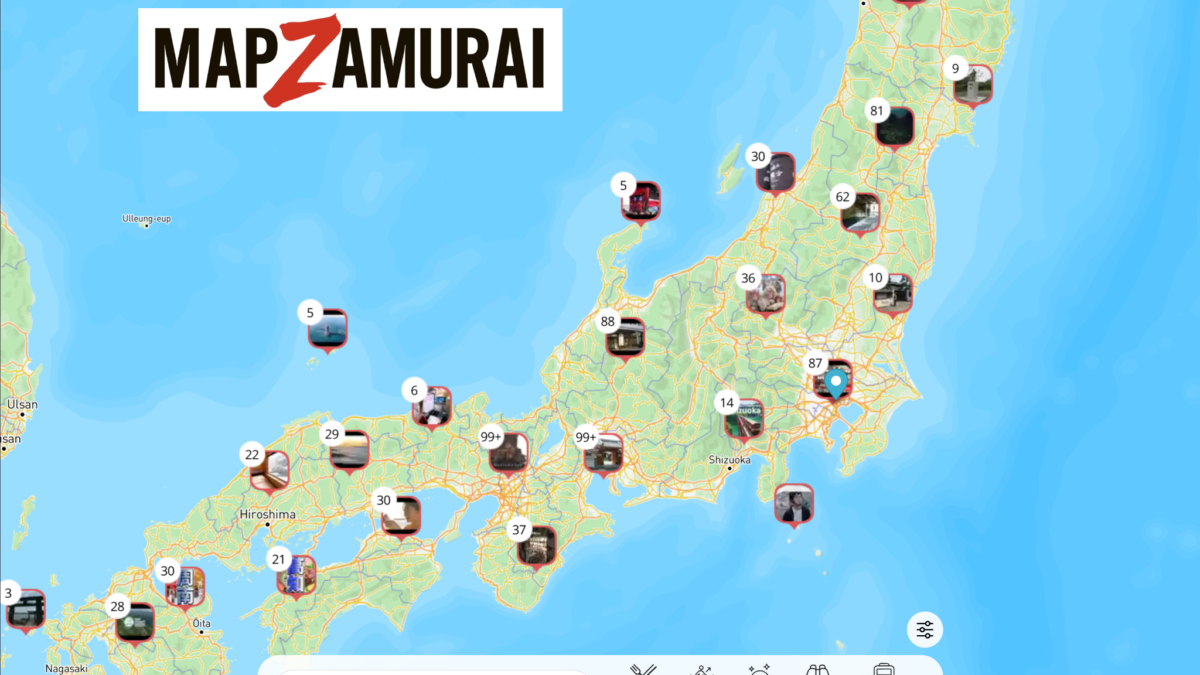
Over 23,000 location-tagged narratives, clips, and activities assist tourists in discovering every corner of Japan—ranging from bustling metropolises to obscure rural areas.
Nagoya, Japan — MapZamurai, a map-driven travel discovery service run by Golden Route Inc., now provides travel content linked to places in every single one of Japan’s 47 prefectures.
This achievement showcases the platform’s expanding library of over 23,000 travel narratives, video clips, local tips, and bookable adventures. Every entry is pinned onto an interactive map, enabling users to navigate Japan by geography instead of starting from a familiar place or landmark they already recognize.
Japan’s most famous spots still form key components of numerous journeys. Tokyo, Kyoto, Osaka, Hiroshima, and Hokkaido attract significant interest, and rightly so. Yet the country’s travel allure goes well beyond the typical paths that most tourists initially encounter. A small town’s culinary traditions, a countryside biking trail, an obscure celebration, an artisan class, a seaside stroll, or a family-operated activity can be the factor that convinces a visitor to extend their stay in an area—or craft a completely new itinerary.
MapZamurai was designed to simplify such discoveries.
Rather than requiring users to look up a particular location, landmark, or event, the service lets them launch the map, navigate across Japan, and view the narratives and activities tied to any given region. A visitor can click a marker, get a preview of the associated material, and then proceed to the source article, clip, or reservation site.
Now that its coverage extends to all 47 prefectures, MapZamurai offers users a fuller perspective on how Japan’s areas interconnect. Tourists can shift from iconic sights to adjacent districts, from large urban centers to adjacent rural zones, or from one prefecture to the next while encountering the narratives that provide context for each location.
“Tourists don’t always skip a destination because they judged it unworthy of a visit,” stated Dan Lewis, Chief Visionary Officer at MapZamurai. “More frequently, it’s simply that the place never came up in discussion. They weren’t aware of its name, had no idea what existed there, and consequently didn’t know what terms to query. A map alters that.”
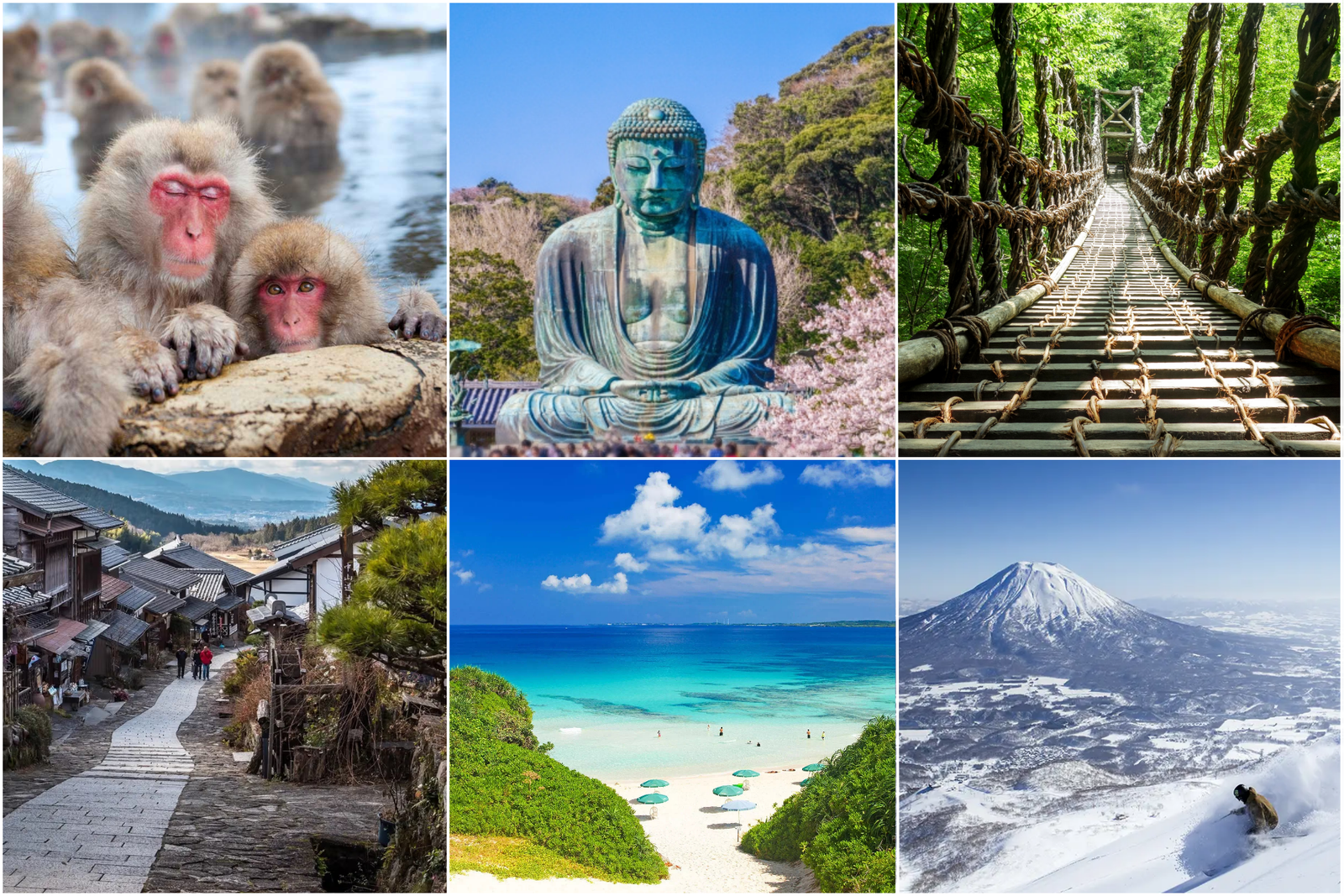
The service aggregates material from various authors, video producers, tourism bodies, and activity suppliers. This method grants tourists entry to a broad spectrum of viewpoints instead of depending on one source or a narrow set of travel manuals.
A visitor browsing Kyoto might come across write-ups on temple neighborhoods, heritage crafts, regional cuisine, and bookable cultural activities. Another person examining Hiroshima could discover bike trails, peace-focused educational programs, island trips, or narratives about local populations. In less urbanized prefectures, the map can uncover local dishes, trekking, artisanal customs, picturesque roadways, hot springs, celebrations, and additional travel options that are frequently hard to locate using a standard search engine.
MapZamurai’s countrywide scope proves especially valuable for tourists aiming to venture outside the typical schedule. It assists visitors in pinpointing interesting stops between major destinations, grasping what lies in proximity, or uncovering areas they might previously have overlooked.
The map is likewise tailored for tourists at various phases of trip preparation. Certain users start with a pre-existing schedule and seek activities near the locations they already intend to go. Others begin with a general curiosity—cuisine, biking, cultural heritage, outdoor scenery, family vacations, or regional encounters—and browse the map until a narrative or event suggests a fresh place to visit.
Alongside written pieces and video content, MapZamurai now features bookable excursions, experiences, and digital handbooks. This allows tourists to transition seamlessly from inspiration to execution: uncovering a narrative about a location, understanding its appeal, and subsequently locating an activity linked to the nearby region.
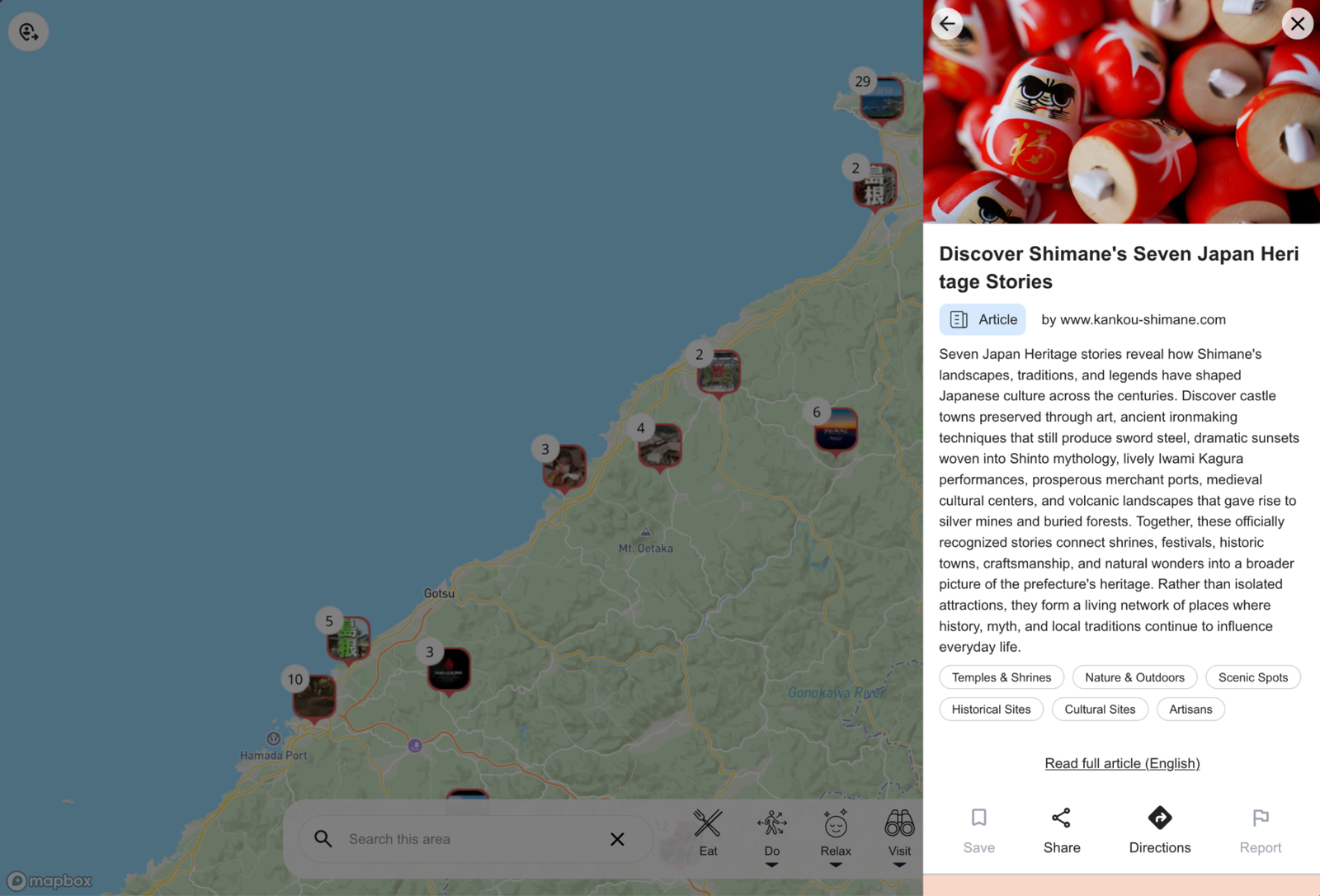
This countrywide achievement is not meant to imply that any single prefecture can be fully grasped from one map perspective. Japan is far too diverse for such a claim. Instead, it sets a baseline for ongoing expansion, as additional content, contributors, and activities are incorporated over time.
For regional tourism enterprises and activity vendors, MapZamurai presents a distinct type of visibility. Their material can show up in the geographical setting where a tourist is already browsing, accompanied by narratives that elucidate the locality’s culture, terrain, heritage, and personality.
“Locations lend significance to narratives,” Lewis remarked. “And narratives assist tourists in comprehending why a location is important. By placing both on a single map, we can aid individuals in discovering more of Japan—not only the destinations they anticipated encountering.”
MapZamurai can be accessed in both English and Japanese and is available for browsing at https://www.mapzamurai.com/.
Regarding MapZamurai
MapZamurai functions as a map-driven travel exploration platform managed by Golden Route Inc. It links travel narratives, video clips, and bookable activities to the places they depict, assisting tourists in exploring Japan through visual and geographic means.
Discover it. Read it. Travel there.
Press Contact
Company: MapZamurai
Contact: Dan Lewis
Email (withheld): discover@mapzamurai.com
Country: Japan