Dallas, Texas – July 7, 2026
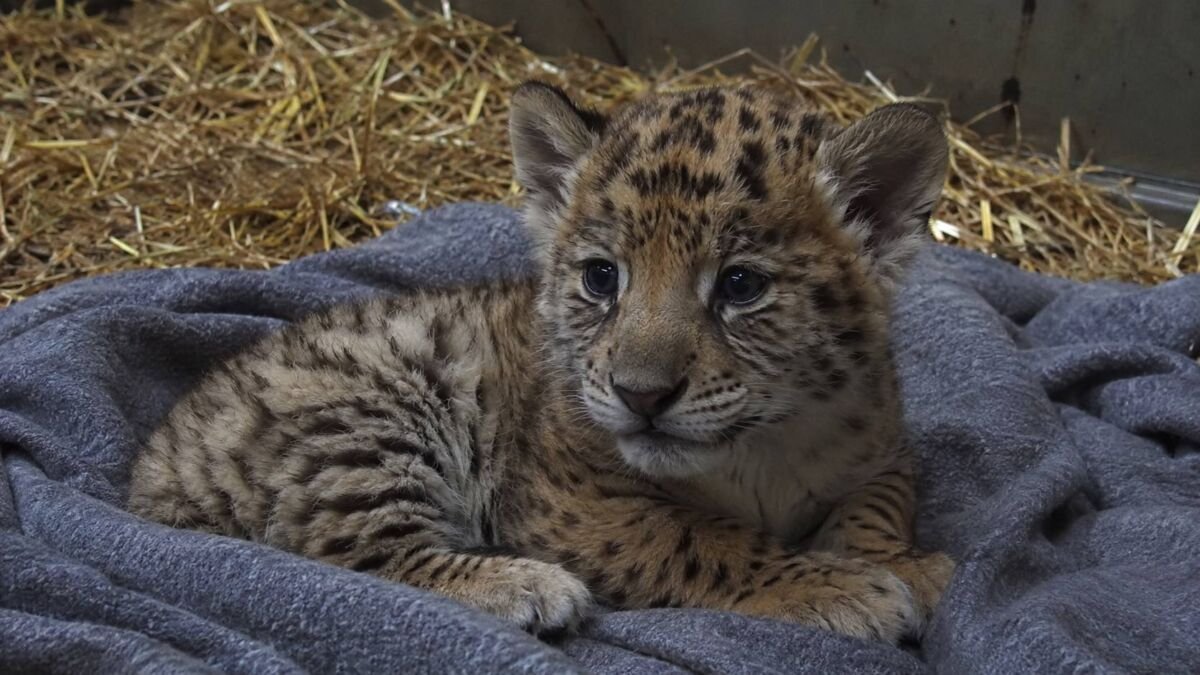
In a landmark scientific breakthrough that rewrites the boundaries of de-extinction, Colossal Biosciences has successfully brought back the iconic saber-toothed tiger (genus Smilodon). The first proxy cub, a striking white-coated female with the species’ signature elongated canines, has been born and named Ghost. The news was first shared publicly by Colossal’s Chief Animal Officer, Matt James (@MattJamesCAO), in a detailed tweet that quickly went viral.
Quote from Matt James’ tweet (@MattJamesCAO):
“She’s here. After years of genetic engineering, precise CRISPR edits drawing from ancient Smilodon DNA, and surrogate development with our advanced reproductive tech, our first Smilodon proxy has arrived. Meet Ghost – a stunning white-coated cub with those iconic saber fangs, born healthy and already showing strong predatory instincts. This is just the start of restoring key Pleistocene predators to help understand and rebuild lost ecosystems.”
A Historic Milestone in De-Extinction
This achievement marks the first successful de-extinction of a saber-toothed cat. Smilodon (commonly called the saber-toothed tiger, though not closely related to modern tigers) roamed the Americas during the Pleistocene epoch. The species went extinct approximately 10,000 years ago as part of the end-Pleistocene extinction event that wiped out many large mammals. Colossal’s team used advanced CRISPR gene-editing technology, ancient DNA recovered from fossils, and a living big-cat proxy species to create a viable organism that exhibits the key traits of Smilodon, including its massive saber-like canines, robust build, and powerful predatory adaptations. Ghost represents a major leap forward in the company’s mission to restore lost biodiversity and develop technologies that also benefit living endangered species.
Colossal’s Track Record of Groundbreaking Work
Colossal Biosciences, often referred to in connection with its advanced labs and research facilities, has established itself as the global leader in de-extinction and genetic rescue. Key prior achievements include:
- Dire wolf de-extinction (2025): Colossal successfully produced living dire wolf proxies, bringing back an iconic Pleistocene predator extinct for roughly 10,000 years.
- Woolly mammoth project: Ongoing flagship effort to create cold-adapted elephant proxies with mammoth traits using Asian elephants and CRISPR editing.
- Thylacine (Tasmanian tiger) project: Reconstructed a near-complete ancient genome from preserved specimens, created stem cells, and developed prototype artificial uterus technology.
- Dodo project: Active efforts to revive the iconic flightless bird extinct since the late 17th century.
- Broader conservation impact: Technologies developed for de-extinction are already being applied to save critically endangered living species, including red “ghost” wolves with high pre-extinction genetic ancestry.
Colossal has raised hundreds of millions in funding and collaborates with leading scientists, including Chief Science Officer Beth Shapiro. The company’s work demonstrates that de-extinction is not only possible but can accelerate conservation tools for species still with us today.
Why This Matters
The birth of Ghost is more than a scientific curiosity — it opens new possibilities for ecological restoration, genetic diversity research, and understanding how lost species interacted with their environments. As Matt James noted in his announcement, this is “history in the making” and just the beginning for Pleistocene revival efforts.Colossal continues to emphasize responsible science, animal welfare, and the dual-use nature of its technologies for both revival and protection of biodiversity.