Dallas, Texas / Mauritius — June 26, 2026
In a landmark achievement that will be remembered for generations, Colossal Biosciences (also known as Colossal Labs) has successfully brought the dodo bird (Raphus cucullatus) back from extinction more than 350 years after its disappearance. The breaking news first emerged this morning via a tweet from the company’s Chief Animal Officer, Matt James (@MattJamesCAO), instantly going viral worldwide and sparking celebrations, debates, and renewed hope for reversing humanity’s impact on biodiversity.The dodo, a large, flightless pigeon native exclusively to Mauritius in the Indian Ocean, became extinct around 1690. Dutch settlers and the invasive species they introduced (rats, pigs, goats, and monkeys) drove the trusting, ground-nesting bird to oblivion through hunting and predation on eggs and chicks. Standing roughly 81–97 cm tall and weighing 13–23 kg, with a distinctive hooked beak and plump body, the dodo quickly became the world’s most famous symbol of human-caused extinction.
Colossal Biosciences: Pioneers of De-Extinction
Founded in 2021 by entrepreneur Ben Lamm (CEO) and world-renowned geneticist Dr. George Church, Colossal Biosciences is a Dallas-based biotechnology company dedicated to using CRISPR gene editing, synthetic biology, advanced reproductive technologies, and computational biology to revive extinct species and develop tools for conserving living ones. The company has raised hundreds of millions of dollars (including major rounds led by investors like TWG Global) and holds a valuation exceeding $10 billion. It maintains partnerships across the globe, including with the Mauritian Wildlife Foundation (MWF) for habitat restoration and future rewilding.
Building on Proven Success: Past De-Extinctions
This dodo milestone follows Colossal’s earlier historic successes. In 2024–2025, the company achieved the de-extinction of the dire wolf (Aenocyon dirus), absent for more than 10,000 years. Three living animals — Romulus and Remus (born October 1, 2024) and Khaleesi (born January 30, 2025) — were created by editing the genomes of gray wolves to express key dire wolf traits. These animals now live in a secure facility and represent the first large apex predator successfully returned through de-extinction science.Colossal has also advanced its flagship woolly mammoth project (targeting hybrid calves), made progress on the thylacine (Tasmanian tiger), created the “woolly mouse” as a living model organism, and developed groundbreaking artificial egg technology capable of scaling to giant birds such as the moa.
How They Brought Back the Dodo
Colossal’s avian team, building on 2025 breakthroughs in culturing pigeon primordial germ cells (PGCs) and demonstrating germline transfer into surrogate chickens, combined multiple cutting-edge technologies:
- High-coverage genome sequencing from preserved dodo specimens (aided by comparative analysis with the Rodrigues solitaire).
- Gene editing of Nicobar pigeon cells (the dodo’s closest living relative) to restore iconic dodo traits.
- Use of Colossal’s proprietary artificial egg incubation system and/or gene-edited chicken surrogates.
- Multiplex CRISPR editing guided by machine learning and computational biology.
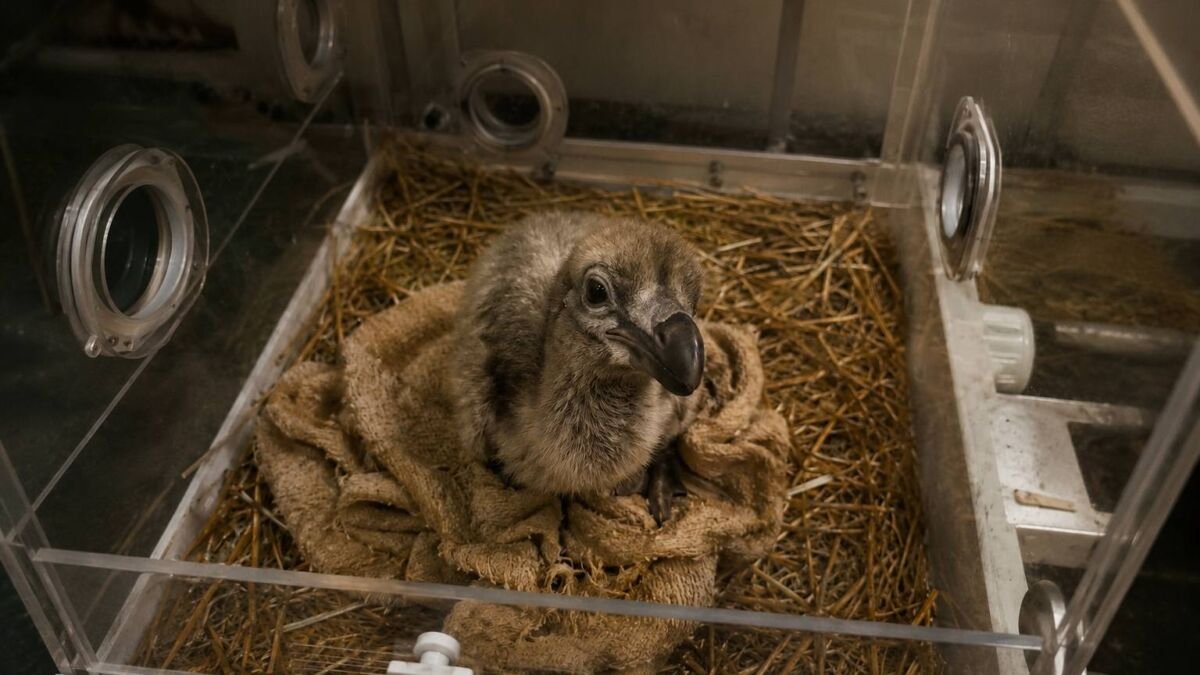
The result: the successful hatching of the first living dodo chick in centuries.The Colossal team has named this historic bird “ECHO” — a name chosen to symbolize the return of a long-silent voice to the forests of Mauritius and the echoing call for renewed global conservation efforts.In his announcement tweet, @MattJamesCAO shared:
“History is made today. The dodo walks again. From the labs of Colossal, ECHO takes its first steps. Proud beyond words to witness and contribute to this moment. The future of conservation starts here. #DodoReturns #DeExtinction #ECHO”
Rewilding and Global Significance
Colossal and the Mauritian Wildlife Foundation are already planning the careful reintroduction of dodos into protected habitats on Mauritius. The dodo once played a role in seed dispersal and forest dynamics; its return could help restore balance to the island’s unique ecosystem.
A Historic and Controversial Moment
This marks the first successful de-extinction of a bird and one of the most symbolically powerful conservation milestones ever achieved. While the scientific community celebrates the technical triumph, it has also sparked important global discussions on ethics, ecological risks, animal welfare, and the responsible use of these powerful new technologies. Colossal emphasizes that all de-extincted animals will initially remain in controlled, secure environments, with any rewilding proceeding only after rigorous scientific review and regulatory approval in partnership with local governments and conservation organizations.
About Colossal Biosciences
Colossal is the world’s leading de-extinction company, combining genetics, AI, and synthetic biology to revive lost species and develop breakthrough tools for conservation and human health. Learn more at colossal.com.