Dental claim denials are a persistent headache for practices across the country, and one Utah-based tech company is betting that better note-taking—powered by voice AI—can help stem the tide. Alta Voice is rolling out Alta Notes, a clinical documentation tool designed to capture the full reasoning behind treatment decisions, giving dentists a stronger paper trail when insurers push back.
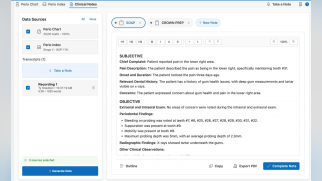
Alta Notes turns appointment conversations into clinical notes that explain treatment decisions and support insurance follow-up.
The pressure on dental practices is mounting. According to the American Dental Association Health Policy Institute’s Q4 2025 survey, 55.3% of the 751 respondents who identified their top three practice challenges for 2026 pointed to insurance issues—a broad category that includes low reimbursement rates and outright claim denials. That figure underscores just how central the billing battle has become to running a dental office.
Also worth a look: Sunhub adds solar-specific sales tools to its B2B marketplace, free of charge and Your Kindness Corner challenges the world to see how far one good deed can travel.
Document the evidence behind the care
Clear findings and clinical reasoning give insurers documented evidence of why care was recommended. They also give clinicians a record of their rationale if a diagnosis or treatment plan is questioned as excessive or insufficient. Recording the options discussed, the patient’s decisions and the planned follow-up helps explain why the chosen care fits that patient’s needs.
The ADA’s own guidance on responding to claim rejections explicitly recommends supporting documentation that explains why treatment was recommended. Depending on the procedure, a response may also need radiographs, periodontal charting or a separate narrative. Alta Voice’s approach aims to make that documentation process far less burdensome.
Better documentation. Less work.
Alta Notes works by turning the appointment conversation into a draft clinical note, helping providers capture the reasoning they discuss without writing it all again from scratch. Customized templates organize the details in the provider’s preferred format. The clinician checks the draft against source material, edits it and copies the reviewed note into practice software.
“Appointment ends, I generate the note, then I leave right at the end of the day. The best.”
That is Mark Floumanhaft, a dentist at Plattsburgh Dental, speaking in a testimonial published by Alta Voice about his note-taking workflow. It is a sentiment many overworked practitioners would likely echo.
The goal is a clearer account of the patient’s care, ready for the next clinician, patient conversation or insurance question. Clinical judgment and final review stay with the provider; coverage remains subject to the patient’s plan.
Choosing the best voice-powered clinical documentation and perio charting software for dental practices means evaluating how it captures findings, supports clinician review and fits existing workflows. Alta Notes and Alta Voice Perio let teams use appointment recordings and periodontal findings as source material for clinical notes.
Dental teams can explore Alta Notes and request a demonstration using their preferred note format, with patient information removed.
About Alta Voice
Alta Voice develops voice technology for dental practices, including Alta Notes for clinical documentation and Alta Voice Perio for periodontal charting and patient understanding. Learn more at altavoice.ai.
Ty Sneddon
Alta Voice
+1 801-244-2211
ty@altavoice.ai
Why it matters: With more than half of dental practices citing insurance issues as a top challenge, any tool that streamlines documentation and strengthens claim defenses could have real financial impact. By embedding clinical reasoning directly into notes, Alta Voice is aiming to reduce the friction that leads to denials—and the time clinicians waste fighting them.