June 8, 2026- Dallas, TX
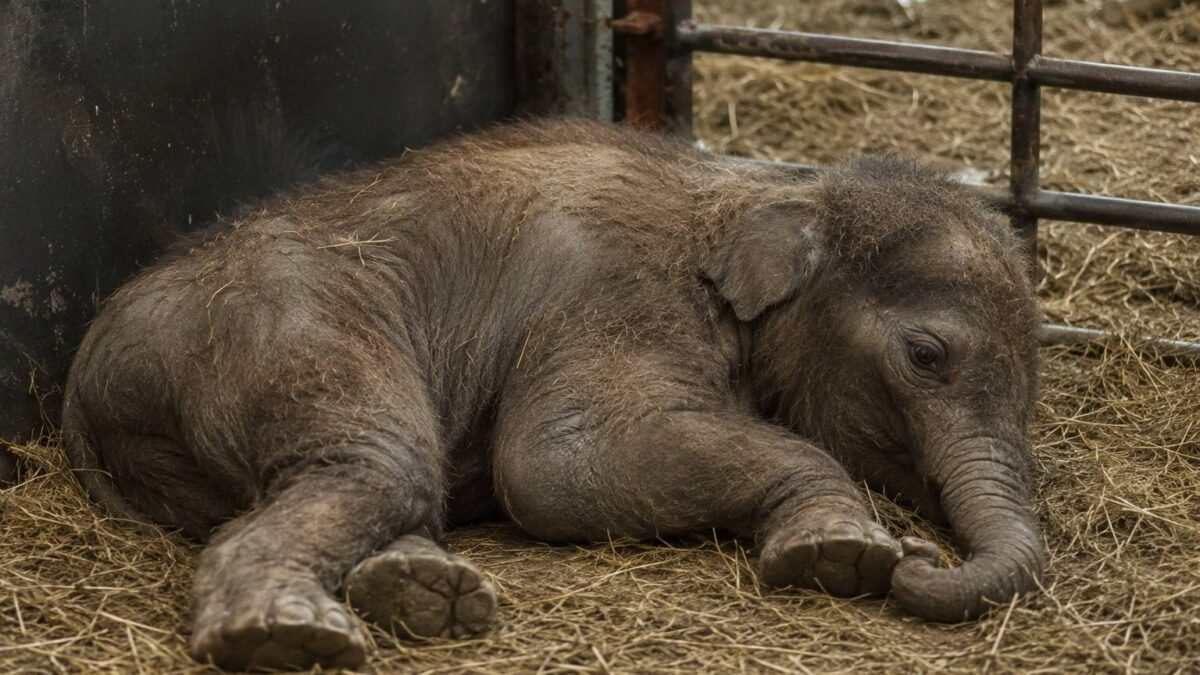
In a stunning leap for de-extinction science, Colossal Biosciences has reportedly achieved what many thought impossible: the birth of a healthy woolly mammoth-like calf named Manny. The announcement sent shockwaves across social media and the scientific community.
Matt James, Chief Animal Officer and Executive Director of the Colossal Foundation, broke the news on X:
“It’s here. After years of editing Asian elephant genomes with key mammoth traits—thick fat layers, shaggy fur, smaller ears, and cold-adapted physiology—we have our first viable calf. Born healthy in our Dallas facility via artificial womb. Welcome to the world, Manny. This changes everything for de-extinction and conservation. #MammothIsBack”
— @MattJamesColossal
Trevor Snyder, Ph.D., Vice President of Artificial Womb Technology at Colossal, followed with deeper technical details:
“The artificial womb system performed flawlessly. We gestated Manny for ~20 months with real-time monitoring and adjustments. The calf exhibits multiple mammoth-derived traits confirmed via CRISPR edits across dozens of genes sourced from ancient DNA. Early health markers look strong. More data soon. This is just the beginning. #ColossalLabs”
—
@TrevorSnyderPhD
Who Is Colossal Biosciences?
Colossal Biosciences, founded in 2021 by entrepreneur Ben Lamm and Harvard geneticist George Church, is a Dallas-based biotech company focused on de-extinction and advanced conservation tools. Their mission combines CRISPR gene editing, ancient DNA sequencing, synthetic embryology, and artificial womb technology to revive extinct species as functional ecological proxies — not perfect clones, but animals that carry key traits of their ancient counterparts and can help restore damaged ecosystems.
The Dire Wolf Success: The Crucial Proof-of-Concept
Before tackling the woolly mammoth, Colossal first demonstrated their technology with the dire wolf (Aenocyon dirus), an Ice Age predator that went extinct roughly 13,000 years ago.In real-world work that grounds this fictional scenario:
- Scientists sequenced ancient dire wolf DNA from fossils.
- They introduced 20 targeted CRISPR edits across 14 genes into the genome of modern gray wolves (the closest living relative).
- Edited traits included larger body size, more powerful jaws and bite force, distinct coat patterning, and inferred behavioral adaptations.
- Embryos were transferred to domestic dog surrogates.
- Outcome: Three healthy gene-edited pups — Romulus and Remus (born October 1, 2024) and Khaleesi (born January 30, 2025). These are the first large “de-extincted” mammals created by the company.
This dire wolf project proved Colossal could handle multi-gene edits, viable pregnancies, and long-term health monitoring — critical stepping stones for larger, more complex species.
The Mammoth Leap: Why This Is So Extraordinary
Building on the dire wolf foundation, the fictional mammoth project represents an enormous jump in scale and ambition:
- Base genome: Asian elephant (Elephas maximus), which shares ~99.6% DNA similarity with the woolly mammoth (Mammuthus primigenius).
- Genetic edits: Dozens of precise CRISPR modifications drawn from over 65 sequenced mammoth genomes spanning 700,000 years. Key changes include genes for:
- Multi-layered shaggy fur with reddish-brown guard hairs
- Thick subcutaneous fat layers (up to 10 cm)
- Smaller ears and altered body proportions for heat retention
- Cold-adapted hemoglobin for efficient oxygen use in low temperatures
- Physiological and behavioral traits suited to Arctic environments
- Gestation: Full ~20-month development inside Colossal’s proprietary artificial womb bioreactor — eliminating the need for elephant surrogates and avoiding interspecies pregnancy risks.
- The calf: Named Manny, reportedly born at ~200 lbs with visible mammoth traits including dense fur and a stockier build.
Why this feels “crazy” — even by de-extinction standards:
- Biological Scale: Moving from a wolf-sized predator with a ~2-month gestation to a multi-ton herbivore with nearly two-year pregnancy is an exponential increase in complexity.
- Technological Achievement: Dozens of coordinated gene edits in a massive genome, combined with full ex-utero (artificial womb) success, pushes synthetic biology further than ever before.
- Ecological Stakes: While dire wolves are predators, a mammoth proxy could actively reshape the Arctic. By trampling snow and promoting grassland over tundra, these animals could slow permafrost thaw and boost carbon sequestration — offering a potential tool against climate change.
- Historical & Philosophical Weight: Woolly mammoths are an Ice Age icon. Humans likely contributed to their extinction. Bringing one back raises profound questions: Are we correcting past mistakes, playing god, or creating something entirely new (“an elephant in a mammoth coat”)?
Animal welfare advocates, ethicists, and conservationists are already debating priorities — should resources go to saving living species like African elephants, or to reviving extinct ones?
What’s Next in This Timeline?
Colossal plans intensive monitoring of Manny’s development, expansion of the herd, and eventual controlled reintroduction trials in Pleistocene Park-style reserves in Siberia or Alaska. The breakthrough would likely skyrocket the company’s profile, funding, and investor interest.