Dallas, Texas – June 2, 2026
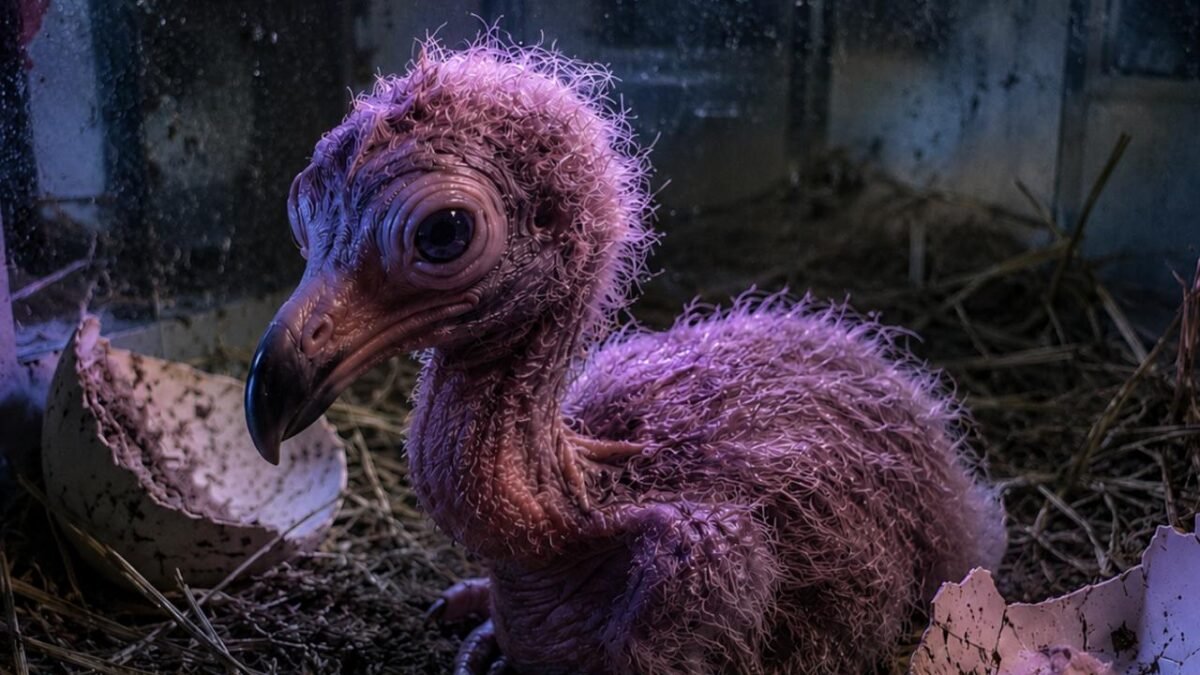
In a feat once confined to science fiction, Colossal Biosciences has achieved the impossible: the dodo bird (Raphus cucullatus), extinct for more than three and a half centuries, is alive once again.The flightless icon of extinction — wiped out by human activity shortly after European sailors first reached Mauritius in the late 1500s — has been resurrected and nicknamed Raffy. According to information shared via the X account of @MattJamesCAO
Quote from @MattJamesCAO on X:
“After years of relentless work by the entire Colossal team, I’m incredibly excited to announce that we have officially brought back the dodo bird. History isn’t just remembered today — it’s being reborn. After more than 350 years extinct, Raffy walks among us again. What a time to be alive.”
(Chief Animal Officer at Colossal), a healthy dodo chick named Raffy hatched this morning from the company’s cutting-edge artificial egg system. The bird is vigorous, feeding normally, and already showing the species’ signature traits: a large hooked beak, plump body, stubby wings, and curious demeanor.
Why the Name “Raffy”?
Raffy is a warm, friendly nickname derived directly from the dodo’s scientific genus name Raphus. It combines scientific accuracy with an approachable, lovable feel — perfect for the world’s first returned dodo. The name is easy to say, works well for both scientists and the public, and carries a subtle nod to “renaissance” and revival. Colossal’s team chose it because it humanizes this historic breakthrough and makes the bird feel like a living ambassador for de-extinction rather than just a lab specimen.
The Symbol of Extinction Returns
The dodo was last reliably sighted in 1662 (with some estimates placing final extinction around 1680–1690). Within roughly a century of human arrival on Mauritius, the trusting, ground-nesting bird was driven to oblivion by overhunting, habitat destruction, and invasive species like rats, cats, and pigs that devoured its eggs and chicks. It became the universal symbol of human-caused extinction — a cautionary tale of irreversible loss.Today, after 364 years of complete absence from the planet, the dodo breathes again. This is not a look-alike or a digital recreation. It is a living, breathing bird carrying reconstructed dodo DNA, engineered through advanced CRISPR editing of its closest living relative, the Nicobar pigeon.
Why This Achievement Is Extraordinary
Reviving an avian species presented unique scientific challenges far beyond Colossal’s mammalian projects (such as the dire wolf or woolly mammoth). Birds cannot be cloned via somatic cell nuclear transfer like Dolly the sheep. Colossal had to invent an entirely new technological pipeline:
- Genomic Reconstruction: High-quality sequencing of dodo remains combined with detailed comparison to the Nicobar pigeon.
- Primordial Germ Cell (PGC) Breakthrough: A world-first in culturing and gene-editing pigeon PGCs, allowing dodo traits to be introduced and passed to future generations.
- Artificial Egg Technology: In May 2026, Colossal successfully hatched 26 healthy chickens from fully synthetic eggs — proving the system could support larger extinct birds like the dodo without relying on living surrogates.
- Integrated De-Extinction Platform: CRISPR-edited cells → germline transmission → artificial incubation → living dodo.
This multi-year journey — from launching the Avian Genomics Group in 2023, through major funding rounds, PGC success in 2025, and the artificial egg milestone just weeks ago — has now culminated in today’s historic hatching.
Colossal Biosciences: Leading the De-Extinction Revolution
Founded in 2021 by Ben Lamm and George Church, Colossal has raised over $555 million and reached a $10+ billion valuation. The company is also advancing:
- Dire wolf pups (Romulus, Remus, Khaleesi) born in 2025.
- Woolly mice with mammoth traits and ongoing work toward cold-adapted elephant hybrids.
- Projects on thylacine, giant moa, and bluebuck.
- Conservation applications via the Colossal Foundation, including genetic rescue for red wolves and northern white rhinos.
Plans include building a breeding population and eventual rewilding on restored habitats in Mauritius in partnership with the Mauritian Wildlife Foundation.