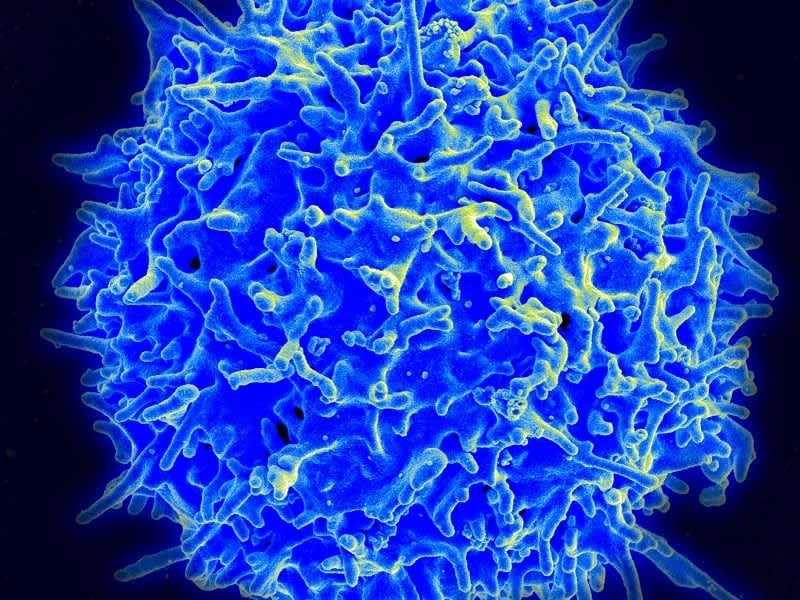
Scientists have introduced a new genome-editing platform that can slot large DNA sequences into human T cells without making the traditional double-strand cut—removing a long-standing roadblock to safer, non-viral production of engineered cell therapies. Called PRIME-In, short for Prime Editing-Mediated Large Integration, the platform was published on April 30 in Nature Biomedical Engineering.
How the New Approach Works
Conventional gene-editing techniques typically rely on cutting both strands of the DNA helix, then trusting the cell’s repair machinery to integrate new genetic material. PRIME-In takes a different route. It uses a prime editor to nick just one strand of the target DNA, while at the same time priming a donor plasmid via a short microhomology sequence created through reverse transcription. That primed sequence then hybridizes with the genomic nick and pulls in the cell’s own DNA polymerases to extend directly from the donor template—bypassing the need for double-strand breaks, recombinases, or multi-step landing-pad insertions.
An upgraded version, dubbed PRIME-In 2.0, adds a second genomic nick using an additional guide RNA. In HEK293T cells, the technique reaches knock-in efficiencies of up to 88%, and it can handle payloads as large as 9.2 kilobases at more than 80% efficiency. Even in primary human T cells—historically one of the toughest targets for non-viral editing—the platform achieved around 50% integration efficiency for a 3-kilobase CD19 CAR construct, alongside an 11-fold T cell expansion in just seven days.
A Strong Safety Profile
The safety numbers are where PRIME-In really stands out. Chromosomal translocations occurred at just 0.2% to 0.4%, compared with 2.34% for homology-mediated end joining, a commonly used alternative. Off-target knock-in events came in under 4% across the genome, versus 23% for the same comparator. In mouse xenograft models, CAR T cells engineered with PRIME-In cleared Raji tumors at levels on par with those produced using lentiviral vectors—the current clinical gold standard.
What This Could Mean for Cell Therapy
The platform tackles multiple bottlenecks that have held back the move from viral to non-viral CAR T cell manufacturing. Viral vectors come with risks of insertional mutagenesis and are costly to produce at scale, while methods that rely on double-strand breaks can cause cytotoxicity and chromosomal abnormalities that complicate regulatory approvals. PRIME-In sidesteps these issues while still hitting therapeutic-grade efficiency, making it a strong candidate for eventual clinical translation.
The breakthrough lands in the middle of a wave of progress in prime editing. Earlier this year, the first clinical readout from a prime editing therapy showed that the technique safely corrected a genetic mutation in two patients with chronic granulomatous disease. And on April 29, researchers reported in Nature a related prime-assembly method capable of inserting DNA segments of up to 11,000 base pairs—pushing the boundaries of what prime editing therapies might one day deliver.