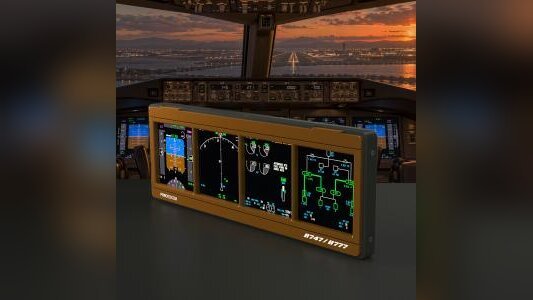
For flight simulation enthusiasts who dream of a dedicated cockpit but lack the space or budget for a full-scale setup, a San Diego-based hardware developer is offering a more practical path forward. ProDeskSim, already known for its aircraft-specific add-ons, is systematically expanding a modular ecosystem designed to let users build a realistic home cockpit one component at a time.

The company’s latest releases include a dedicated Boeing 757/767 Ultra Throttle addon package and a standalone panel combining fuel cut-off controls, auto brake, parking brake, and stabilizer trim functions for the B7X7 series.

From Honeycomb Bravo add-ons to modular displays, fuel controls and upcoming autopilot panels, ProDeskSim is building a more accessible home cockpit ecosystem.
Also worth a look: DXRACER slashes UK gaming chair prices up to 12% for 2026 Black Friday and DXRACER slashes gaming chair prices up to 50% in 2026 Black Friday sale.
Headquartered in San Diego, CA, ProDeskSim announced on November 15, 2026, that it is broadening its product line around what it calls an affordable, compact, and modular cockpit ecosystem. The strategy builds on the company’s existing range of Honeycomb Bravo Throttle Quadrant add-ons, which let simmers reconfigure a single throttle base for Boeing, Airbus, regional jet, business jet, and general aviation profiles without needing a separate quadrant for each aircraft type.
Beyond throttles, the ecosystem now includes the ProDeskSim Modular Display Unit, a 14.9-inch high-resolution screen that uses interchangeable aircraft overlays. That design means a single display can serve multiple cockpit layouts rather than forcing users to buy a dedicated screen for each plane. The company reports it is also developing dedicated fuel control solutions, upcoming autopilot panels, and additional cockpit modules.
The modular philosophy is deliberate: traditional home cockpits often demand significant space, complex integration, and a substantial upfront investment. ProDeskSim’s approach allows enthusiasts to expand their simulator progressively. Each module is engineered to function independently while also complementing other ProDeskSim components as the collection grows.
“The vision is to let flight simulation enthusiasts build the experience they want one module at a time, while keeping the system compact, practical, and affordable,” a ProDeskSim representative stated.
By combining aircraft-specific physical controls, adaptable displays, modular hardware, and supporting software, the company aims to bridge the gap between a basic desktop setup and an advanced home cockpit environment. The expanding lineup reflects a broader strategy: let users start with what they need today and add aircraft systems later as their simulator evolves.
Why it matters: ProDeskSim’s modular ecosystem could lower the barrier to entry for realistic home flight simulation, making it feasible for hobbyists who cannot dedicate a room or thousands of dollars to a full cockpit. If the strategy succeeds, it may accelerate a shift away from all-in-one cockpit purchases toward incremental, component-based builds that better match individual budgets and space constraints.
ProDeskSim
ProDeskSim
Visit us on social media:
Facebook