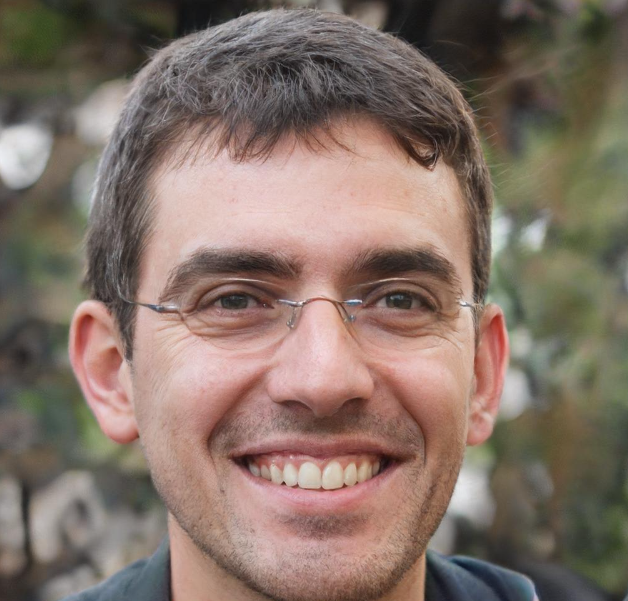
Matei Zaharia, the visionary co-founder and CTO of Databricks, has been named the 2026 recipient of the ACM Prize in Computing — one of the most prestigious honors in the field of computer science. The $250,000 award recognizes his transformative contributions, which span more than a decade and include the creation of Apache Spark, the open-source data processing framework that helped define the era of big data.
But Zaharia isn’t looking back. In a conversation with TechCrunch, he offered a striking perspective that captures the extraordinary moment we’re living through: “AGI is here already. It’s just not in a form that we appreciate.”
From Big Data Pioneer to AI Architect
Zaharia’s journey is a testament to the power of open-source innovation. In 2009, as a PhD student at UC Berkeley under legendary professor Ion Stoica, he developed Apache Spark — a dramatically faster alternative to the then-dominant Hadoop MapReduce framework. The project was so impactful it became the foundation of Databricks, which has since grown into a data and AI infrastructure giant raising over $20 billion and achieving a valuation of $134 billion, with $5.4 billion in annual recurring revenue.
The ACM Prize, which recognizes “substantial technical or theoretical contributions to the computing field,” reflects how foundational Zaharia’s work has been not just to Databricks, but to the entire data ecosystem that now underpins modern AI development.
Rethinking What AGI Means
Zaharia’s bold claim about AGI reflects a nuanced philosophical point. He argues that the tech industry’s tendency to measure AI against human standards is fundamentally misguided. AI doesn’t need to replicate human cognition to be transformative — it needs to leverage its own unique strengths.
Where humans must invest years acquiring expertise, an AI system can ingest vast bodies of knowledge instantly. The result is a form of intelligence that’s genuinely different from — and in many domains, superior to — human cognition. The challenge, as Zaharia sees it, is learning to appreciate and harness those differences, rather than dismissing AI because it doesn’t think the way we do.
The AI Future: Research, Science, and Discovery
What excites Zaharia most about AI’s trajectory isn’t coding assistants or chatbots — it’s AI’s potential to transform research. He envisions a future where AI makes rigorous, accurate research capabilities universally accessible — letting anyone explore complex topics, simulate molecular interactions, or analyze vast datasets without needing a PhD.
“Not that many people need to build applications, but lots of people need to understand information,” he said. In Zaharia’s vision, AI’s greatest contribution won’t be replacing programmers — it will be democratizing knowledge and accelerating human discovery at an unprecedented scale.