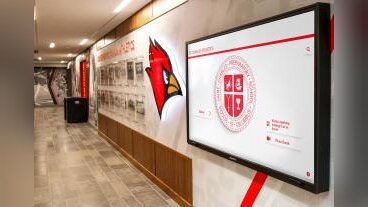
For schools looking to celebrate their athletic legends, the path from trophy case to digital display can feel like a maze of hidden costs and tangled logistics. Rocket Alumni Solutions, which already partners with over 1,500 institutions including the PGA Tour and New York University, is now offering a clear roadmap for budgeting and launching a digital athletic Hall of Fame. The company’s approach essentially breaks the project down into three core decisions: what the first collection will feature, what the full price tag will be, and who will keep the information accurate once it goes live.
BOSTON, MA, UNITED STATES, October 30, 2026 /EINPresswire.com/ — A digital Hall of Fame gives a school community a way to truly explore the people behind the championships, records, and program milestones. Rather than just dusting off old trophies, this platform allows families and alumni to access profiles, photographs, and stories from anywhere, not just on campus. Rocket’s planning method starts with that core recognition goal and then aligns content preparation and the physical display with the school’s actual budget and target date.
Separate software, hardware and preparation costs
Also worth a look: AI.Law white paper offers civil litigators a practical framework for evaluating legal AI tools and RoofProspect.ai trades raw leads for guaranteed appointments in flat roof coating market.
When schools start evaluating the cost, they need to carefully distinguish recurring software expenses from one-time equipment and site preparation costs. Schools should request a quote based on their specific software, hardware, and project requirements, and then confirm which services are actually included in that price. A complete budget must account for both the ongoing software fees and any one-time expenses for equipment, installation, or content preparation.
A project budget should clearly identify the display and mounting configuration, any enclosure or surrounding graphics, and the work needed for power, connectivity, and installation. Schools can also ask whether their existing equipment is compatible before they buy a new screen. Rocket recommends that schools confirm who is responsible for installation and exactly what items are supplied in the quote.
Content preparation needs to be part of that same conversation from the start. Rocket offers complimentary data entry and helps organize agreed-upon source material for the school to review. Schools should confirm the exact scope of that work and any separate scanning or preparation needs; yearbook scanning, for example, follows a separate partner process.
Build the first collection around verified school history
A manageable first release might focus on an induction class, a set of championship teams, or a defined collection of athletic records. Athletic departments can gather rosters, record books, induction programs, and photographs, then assign reviewers to confirm names, graduation years, seasons, marks, and honors against the original sources. Coaches can check sport-specific records while alumni staff help verify biographies and historical details.
Permissions and accuracy should be settled before any content becomes public. Any recognition of college-bound student-athletes should rely on school-confirmed information and the required permissions for student details and images. Alumni and donor stories can sit alongside athletic achievements, with approved names, photographs, and descriptions of contributions.
Assign launch responsibilities and plan for the next season
A target date—such as induction night or a building opening—gives the project a practical starting point. Schools should name a project lead, identify who supplies and approves content, and agree on milestones for entry, corrections, installation, and launch. Timing depends entirely on the collection’s scope, the quality of source materials, and the review process.
Facilities and IT staff should review placement, power, connectivity, and equipment compatibility. Accessibility planning should include visitor reach, clear floor space, sightlines, and a review of the intended on-screen experience. Before the big reveal, the school should check the display in its actual location and review the online collection.
The plan should also identify who adds new inductees, updates records, and carries the project forward when staff change roles. Rocket’s browser-based editor lets school staff maintain the collection themselves, while its data entry team can assist with bulk additions. A clear handoff helps the Hall of Fame continue growing with each passing season.
Schools can explore digital Hall of Fame planning and pricing with Rocket Alumni Solutions and discuss their first collection, display location, and target launch date.
About Rocket Alumni Solutions
Rocket Alumni Solutions partners with more than 1,500 schools and organizations, including the PGA Tour, New York University, Arizona State University and Virginia Tech. The company helps communities celebrate achievements, preserve their history and recognize the people who shaped them. Rocket Alumni Solutions’ touchscreen software maintains an 80 Net Promoter Score, reflecting exceptional ease of use and customer satisfaction. Its interactive touchscreen software helps schools create digital Halls of Fame, donor recognition walls, record boards and campus recognition displays that celebrate community achievements and preserve institutional history. Rocket Alumni Solutions serves schools and organizations of all sizes. The platform offers pre-built templates and remote content management. Schools receive ongoing support as their recognition collections grow.
Media Team
Rocket Alumni Solutions
+1 857-465-3603
Why it matters: As schools face increasing pressure to tell their stories in a digital-first world, this structured approach removes the guesswork from a project that can easily stall due to hidden costs or unclear ownership. By separating software, hardware, and content preparation into distinct planning buckets, Rocket Alumni Solutions is giving athletic departments a repeatable playbook that can scale from a single induction class to a full institutional archive.