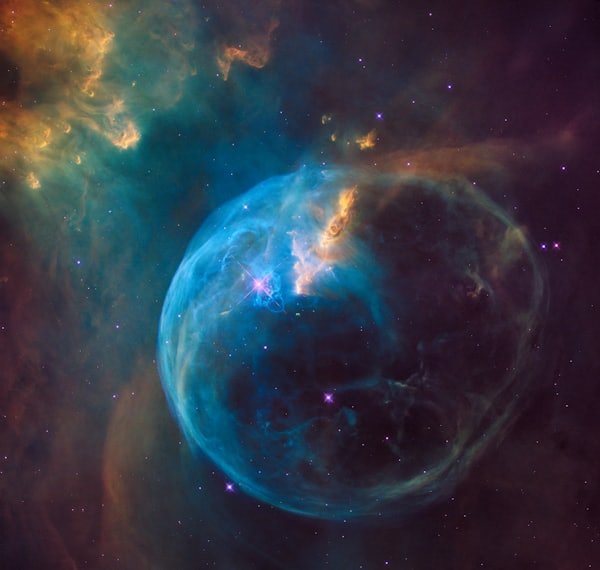

NASA’s highly anticipated Roman Space Telescope has received an accelerated launch target of August 30, 2026, after its primary mirror successfully passed a critical final inspection. The $4.3 billion observatory promises to revolutionize our understanding of the universe, with artificial intelligence playing a central role in analyzing the unprecedented volumes of data it generates.
The telescope is designed to observe vast swaths of the sky simultaneously, capturing images of hundreds of millions of galaxies, stars, and other celestial objects. The sheer volume of data it will produce would be impossible for human astronomers to analyze without advanced AI assistance.
AI and machine learning algorithms will be essential for cataloging newly discovered objects, identifying transient events like supernovae, searching for signs of dark matter and dark energy, and detecting exoplanets that might harbor conditions suitable for life.
The primary mirror — the same size as Hubble’s but with a field of view 100 times larger — underwent rigorous testing to ensure it could withstand the extreme conditions of space while maintaining the optical precision required for groundbreaking scientific observations.
When launched, the Roman Space Telescope will become one of humanity’s most powerful tools for answering fundamental questions about the nature of the universe — and AI will be its indispensable partner in the journey of discovery.