Samsung Electronics used its first-quarter 2026 earnings call on April 29 to reaffirm its plans for AI-powered smart glasses and a fresh wave of wearable audio products, even as the South Korean tech giant logged record revenue and operating profit fueled by booming demand for AI memory chips.
During the call, a Samsung executive said the company intends to deliver immersive multimodal AI experiences through diverse form factors, including AI glasses, according to a transcript published by Futunn. The comments underline Samsung’s intent to compete more aggressively in a category currently led by Meta’s Ray-Ban smart glasses lineup.
The Galaxy Glasses Begin to Take Shape
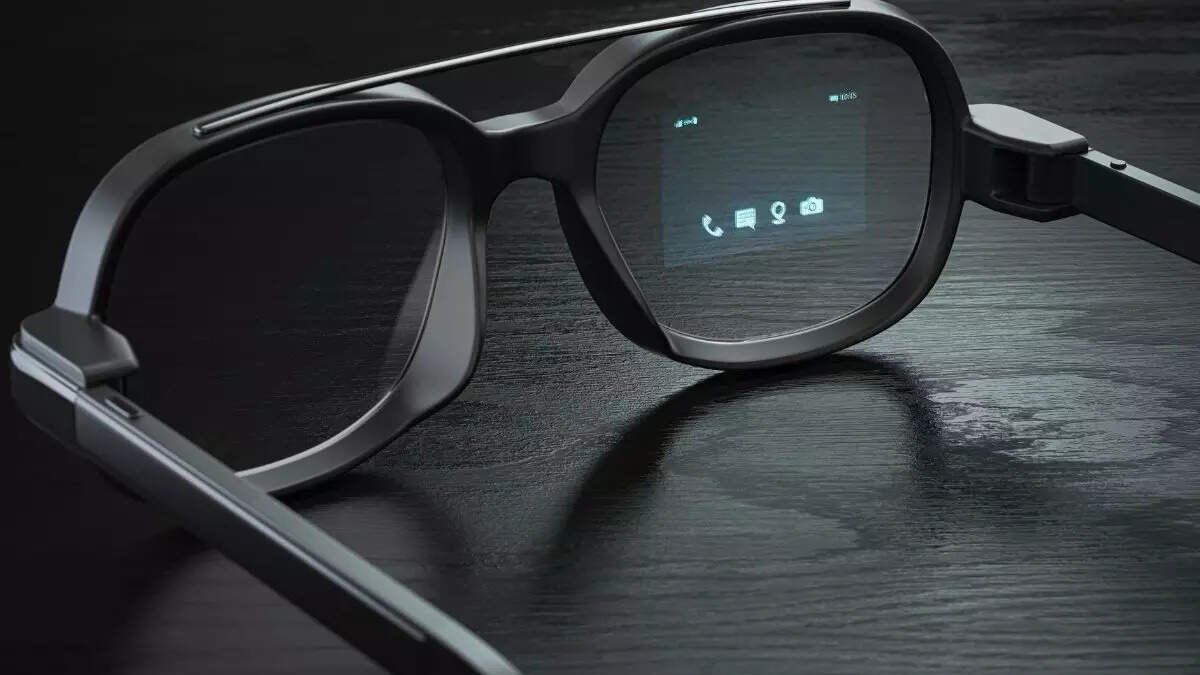
Samsung’s upcoming Galaxy Glasses, reportedly codenamed “Jinju,” are expected to run Google’s Android XR operating system. Hardware specs, based on reports from Android Headlines and information shared at MWC 2026, point to a 12-megapixel Sony camera sensor, bone-conduction speakers, a 155mAh battery, and Qualcomm’s Snapdragon AR1 chipset. Heavy compute will be offloaded to a paired Galaxy smartphone, while Google’s Gemini AI assistant is expected to serve as the primary interface.
Unlike Samsung’s $1,799 Galaxy XR headset, which launched last year, the first-generation Galaxy Glasses will not include a built-in display. Pricing is rumored to land between $379 and $499, placing them in direct competition with Meta’s Ray-Ban range. A more sophisticated, display-equipped model, codenamed “Haean,” may arrive in 2027. Samsung and Google are expected to formally introduce the Galaxy Glasses at Google I/O in May, with a full consumer launch at a summer Galaxy Unpacked event.
Galaxy Buds Able: A Fresh Audio Form Factor
Samsung is also working on a new earbud line called the Galaxy Buds Able, first spotted by SammyGuru inside One UI firmware in April. The earbuds appear to use a clip-on, open-ear design—a departure from any current Galaxy Buds model. Reports suggest they may rely on bone conduction, transmitting audio through vibrations against the cheekbone rather than traditional speakers. The design would let wearers keep their ears open to environmental sounds, making them well suited for running, cycling, and other outdoor activities.
Record Earnings Power the Push
The product hints came alongside blockbuster financial results. Samsung reported consolidated revenue of 133.9 trillion Korean won and operating profit of 57.2 trillion won—both all-time quarterly highs, according to the company’s official earnings release. Operating profit surged more than 750% year-over-year, with the semiconductor division contributing more than 90% of total earnings, CNBC reported.
Samsung’s chip business has been riding a wave of tightening memory supply and intense demand from AI data center operators, including partnerships to supply HBM4 memory to Nvidia. With cash flowing in and the AI hardware boom showing no signs of slowing, Samsung looks ready to bankroll its multi-front push into AI wearables and adjacent product categories.